Urgent tree pruning and emergency gardeners in Penge West
If a tree has started leaning, a branch is scraping a roof, or a garden has been hit by a sudden storm, you do not have time for vague advice. You need clear next steps, fast response, and someone who understands both plant health and safety. That is where urgent tree pruning and emergency gardeners in Penge West come in.
This guide explains what emergency garden help actually involves, when it is sensible to call, what a good team will do on arrival, and how to avoid the common mistakes that make a bad situation worse. If you are dealing with cracked limbs, blocked access, falling debris, or a tree that simply looks wrong after wind or heavy rain, read on. A calm approach helps. Even when the garden looks chaotic.
Table of Contents
- Why urgent pruning and emergency gardening matters
- How the emergency response works
- Key benefits and practical advantages
- Who needs this and when it makes sense
- Step-by-step guidance
- Expert tips for better results
- Common mistakes to avoid
- Tools, resources and recommendations
- Law, compliance, standards and best practice
- Options, methods and comparison table
- Case study or real-world example
- Practical checklist
- Conclusion
- Frequently asked questions
Why urgent tree pruning and emergency gardeners in Penge West matters
Urgent tree pruning is not just about making a tree look neat. In an emergency, the priority is reducing immediate risk. That might mean removing a split limb before it drops, shortening a branch that is hitting a wall, or clearing access after wind damage so people can move safely through the garden. Emergency gardeners handle the wider picture too: broken fencing, scattered debris, unstable planting, blocked paths, and the bits that need sorting before they become a bigger headache.
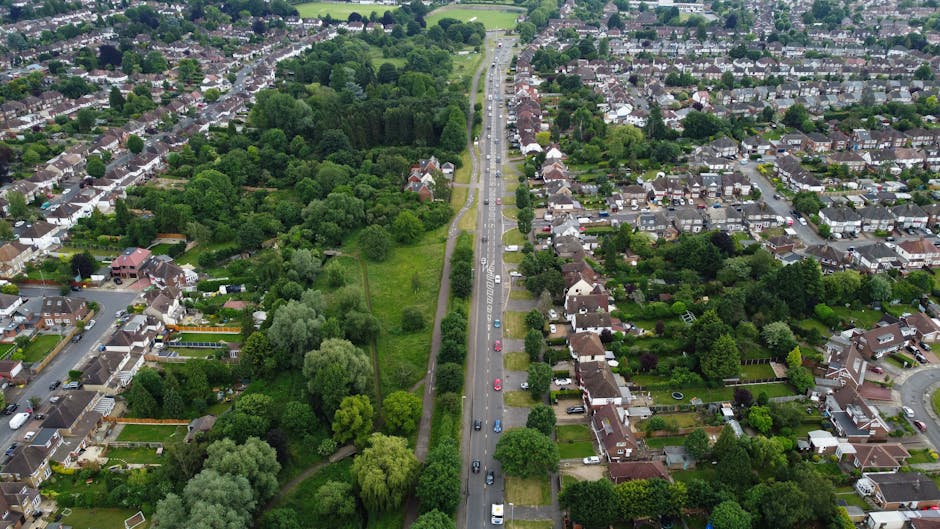
In a place like Penge West, where gardens are often close to homes, side returns, paths, and shared boundaries, a small issue can turn awkward quickly. A branch leaning over next door's shed is not just inconvenient. It can cause disputes, damage, and a lot of stress. Let's face it, no one wants to spend a Tuesday morning trying to explain splintered timber to a neighbour.
There is also a plant-health angle. Hasty but informed pruning can prevent further tearing, reduce disease entry points, and help a tree recover rather than decline. That part matters more than people think. A bad emergency cut can leave a tree worse off than the original damage.
Practical takeaway: if safety, access, or property damage is involved, speed matters, but so does judgement. Quick is good. Careful is better.
If you want to explore broader garden support beyond emergencies, the team's services overview is useful for understanding how one-off urgent work fits alongside regular upkeep such as garden maintenance and hedge trimming.
How urgent tree pruning and emergency gardeners in Penge West works
An emergency response usually starts with a fast assessment. The aim is to decide whether the issue is active danger, a near-term risk, or a job that still needs prompt attention but not a same-minute intervention. A trained gardener or tree team will ask for photos if possible, ask what has changed, and judge whether access is safe.
From there, the work is usually prioritised in layers. First comes making the area safe. That can include isolating the site, removing loose material, and preventing anyone from standing beneath a damaged limb. Second comes controlled pruning or reduction, which means taking back unstable growth without stripping the tree unnecessarily. Third comes tidy-up and disposal, which is not glamorous but matters. A path full of branches is still a hazard, even after the main cut is done.
Sometimes the correct response is pruning. Sometimes it is removal. Sometimes it is simply clearing, securing, and coming back with a fuller plan once the weather has settled. A good emergency gardener will say so honestly. Not everything needs a dramatic fix.
If the problem is severe enough that a tree may need dismantling or full removal, the relevant service page for tree lopping and removal gives a clearer picture of how more substantial tree work is handled.
What a proper emergency visit often includes
- Rapid visual assessment of the hazard
- Advice on immediate safety steps
- Pruning of broken, torn, or unstable branches
- Removal of debris from driveways, paths, and access points
- Checking for secondary damage to fences, sheds, decking, or planted areas
- Recommendations for follow-up work if the tree needs more time, or more surgery frankly
Key benefits and practical advantages
The biggest benefit is obvious: reducing danger. But the real value of emergency garden work goes beyond that. It can protect buildings, preserve healthier parts of the tree, and stop a small incident from spreading into a larger repair bill.
There is also peace of mind. If you have ever listened to a branch creaking at night after a wind gust, you will know the feeling. You are trying to sleep, but your brain keeps replaying the same thought: what if that drops by morning? Fast pruning is often as much about restoring calm as it is about making things tidy.
Other practical advantages include:
- Lower risk of property damage: removing weight from dangerous limbs can stop roof, fence, or car damage.
- Safer access: paths, gates, and driveways can be cleared quickly.
- Better tree recovery: careful cuts reduce the chance of further tearing.
- Less disruption: urgent work usually means the rest of the garden can keep functioning.
- Smarter next steps: an experienced gardener can tell you what is urgent now and what can wait.
For some properties, the emergency job also creates an opportunity to rethink the garden layout afterward. That might involve longer-term landscaping, practical landscape gardening, or even replacing damaged hard surfaces through decking services if the incident exposed a weak spot in the outdoor space.
Who this is for and when it makes sense
Emergency gardening support is for anyone whose outdoor space has moved from "messy" to "possibly unsafe". That includes homeowners, landlords, tenants, letting agents, and small business premises with planted areas or trees close to public access.
It makes sense when you are dealing with one of these situations:
- A tree or large branch has split after wind or snow
- Branches are touching a roof, window, or overhead line area and need checking
- Access to a driveway, gate, or shared path is blocked
- A storm has left fallen limbs, leaf litter, and scattered debris everywhere
- A hedge or tree has grown so heavily that visibility or access is compromised
- A tree looks unstable, suddenly tilted, or has visible cracking at the base or stem
- There is an urgent need to make a garden safe before visitors, tenants, or trades arrive
It is also relevant if you have vulnerable occupants or a high-traffic home setup. For example, a family entrance with a loose branch overhead is not something to leave "until the weekend". Truth be told, the weekend often becomes next month.
If the job is less about emergency response and more about resetting a space after a difficult period, a wider garden clearance may be the better first step before routine upkeep resumes.
Step-by-step guidance
If you are trying to decide what to do in the moment, keep it simple. Here is a sensible way to handle it.
- Pause and assess from a safe distance. Do not stand directly under the damaged tree or branch.
- Look for immediate hazards. Check for hanging limbs, blocked exits, broken glass, or obvious movement in the tree.
- Take a few clear photos. These help the gardener understand the problem before arriving.
- Secure the area. Keep children, pets, and visitors away. If needed, close gates or move vehicles.
- Describe what changed. Was it wind, heavy rain, decay, a recent cut, or just sudden leaning?
- Ask for the likely response. Is this pruning, clearance, or full removal? A straight answer is what you want.
- Check access and timing. Emergency work can depend on daylight, weather, and whether equipment can reach the site.
- Plan for follow-up. Some trees need a second visit once the immediate danger is gone.
A small but useful detail: if you can safely do so, note whether the tree is overhanging your property, a neighbour's property, or a shared space. That can save time later when discussing boundaries and responsibility. It sounds minor, but in real life it often speeds up the conversation.
Expert tips for better results
Emergency tree work is best handled with restraint. That surprises people sometimes. You might imagine the answer is to cut hard and fast, but over-pruning can weaken a tree and create avoidable stress. The art is removing what is dangerous without creating a new problem.
Here are the habits that usually lead to better outcomes:
- Start with the hazard, not the appearance. In an emergency, safety comes first.
- Use clean, controlled cuts. Ragged cuts heal poorly and can invite decay.
- Protect the root zone. Avoid heavy compaction from repeated foot traffic or vehicles close to the base.
- Work with the weather, not against it. Wet wood is heavier, slippier, and less predictable.
- Think in stages. One visit may stabilise the problem; another may improve shape later.
- Keep communication clear. Good gardeners explain what they are doing and why. That should never feel like guesswork.
One simple rule: if you are unsure whether the whole branch should come off, stop and get a professional view. Emergency work is not the place for improvisation with a saw and optimism. I say that kindly, but firmly.
Common mistakes to avoid
A lot of damage happens after the original incident, not during it. People get anxious, grab the nearest tool, and start cutting in the wrong place. Understandable? Yes. Helpful? Not always.
- Cutting too much at once. Removing large sections without a plan can destabilise the tree.
- Leaving hanging limbs in place. They may look harmless, but they can drop without warning.
- Ignoring nearby structures. Branches can shift when cut and catch gutters, fences, or glazed areas.
- Trying to "make it pretty" before making it safe. Shape can come later. Safety cannot.
- Assuming all leaning trees are the same. A lean caused by saturated soil is different from a fractured stem or root failure.
- Delaying action because the weather has calmed down. Damage does not wait politely for your diary.
A more subtle mistake is forgetting the aftermath. Wet leaves, sawdust, snapped twigs, and uneven ground can still cause slips after the main hazard is gone. The tidy-up really matters.
Tools, resources and recommendations
Emergency gardeners and tree workers usually rely on a practical mix of hand tools and safety equipment. The exact setup depends on the job, but a sensible toolkit often includes pruning saws, secateurs, loppers, poles, lowering ropes, tarpaulins, barriers, and protective gear. For larger or more technical work, the right equipment is less about looking impressive and more about control.
If you are a property owner preparing for a visit, your best "resources" are actually simple things:
- Recent photos from different angles
- Clear access to front and back gates if possible
- Basic information about whether the tree has already moved, cracked, or fallen
- Knowledge of nearby risks such as sheds, glass roofs, or overhead obstacles
- Any previous pruning history you remember, even if it is fuzzy
It can also help to have a broader plan for the rest of the garden once the urgent issue is dealt with. Useful follow-up services may include routine garden maintenance, lawn mowing, or a season reset through garden clearance.
Expert summary: in an emergency, the best outcome is not always the biggest cut. It is the safest controlled cut, followed by a clean handover and a realistic plan for what happens next.
Law, compliance, standards and best practice
Tree and garden emergencies often touch on safety, property boundaries, and contractor responsibility. While every case is different, a reputable gardener should work in line with sensible UK best practice: carry out a risk-aware assessment, avoid unnecessary damage, use safe access methods, and dispose of waste responsibly.
If work affects shared boundaries or could impact a neighbour's property, communication matters. In real life, a quick and polite conversation prevents more tension than a formal note ever will. If the tree is protected or the work may involve more significant intervention, further checks may be needed before proceeding. That is not red tape for the sake of it; it is part of doing the job properly.
Contractors should also be clear about insurance, safety procedures, and how they manage risk on-site. If you are comparing providers, it is sensible to review their insurance and safety information alongside their health and safety policy. You do not need a lecture. Just confidence that the job will be handled carefully.
Best practice also includes responsible waste handling. Branches, trunks, green waste, and debris should be managed in a way that avoids clutter and supports recycling where possible. That is one reason some customers also ask about recycling and sustainability when arranging urgent work.
Options, methods and comparison table
Not every urgent tree issue needs the same response. Sometimes the tree can be saved with selective pruning. Sometimes the safest option is to remove damaged sections. Occasionally, the best first move is simple clearance while you wait for better conditions or further inspection.
| Method | Best for | Main advantage | Typical caution |
|---|---|---|---|
| Selective urgent pruning | Broken or overextended branches with a stable main tree | Protects the tree while removing the hazard | Needs careful judgement to avoid over-cutting |
| Emergency clearance | Fallen debris, blocked access, storm mess | Restores safe movement quickly | Does not always solve underlying tree damage |
| Reduction work | Heavy canopy weight or branches pressing on structures | Lowers strain and improves clearance | Should be balanced to protect long-term tree health |
| Removal | Severe instability, major stem failure, or unsafe retention | Eliminates the hazard entirely | More disruptive and may need follow-up landscaping |
The right method depends on the condition of the tree, the amount of damage, and the risk around it. A quick patch is not always enough, but a full removal is not always necessary either. That middle ground is where experienced gardeners earn their keep.
Case study or real-world example
Here is a realistic scenario. After a windy evening, a homeowner in Penge West notices that a mature garden tree has dropped a heavy limb across the rear path. The branch is not fully detached, and part of it is still caught in the canopy. There is also a small fence panel nearby and a compost bin that has been splintered by the fall.
The sensible response is not to drag the limb free by hand. Instead, the area is kept clear, photos are taken, and an emergency gardener is called. On arrival, the damaged section is assessed first. The hanging material is made safe, the broken limb is removed in controlled sections, and the path is cleared. The rest of the tree is then checked for split wood or signs of further failure.
After that, the homeowner can see what is genuinely urgent and what can wait. In this case, the tree might need a later follow-up prune to balance the canopy and reduce future wind stress. The fence panel can be repaired separately. The garden is not perfect by the end of the visit, but it is safe again. And that is the main win, really.
Practical checklist
Use this simple checklist if you are dealing with an urgent tree issue or need emergency garden help:
- Stay clear of hanging branches and unstable trees
- Keep children and pets away from the area
- Check whether access routes are blocked
- Take clear photos from a safe distance
- Note any damage to roofs, fences, decking, or paths
- Tell the gardener what happened and when
- Ask whether the issue is pruning, clearance, reduction, or removal
- Confirm how debris will be handled
- Ask about insurance and safety practices
- Plan for follow-up maintenance if needed
If the incident has left the garden generally messy as well as unsafe, it may be worth pairing the emergency visit with a broader tidy-up. A focused service overview can help you match the right next step to the state of the space.
Conclusion
Urgent tree pruning and emergency gardeners in Penge West are about more than cutting branches. They are about restoring safety, reducing stress, protecting property, and making sensible decisions under pressure. The best response is usually the one that is fast, calm, and properly judged.
If you remember just one thing, make it this: deal with the hazard first, shape later. A good gardener will not rush past the details, and they will not overcomplicate the job either. That balance is what saves time, money, and a lot of unnecessary worry.
If you are facing a tree emergency now, it helps to speak to a team that can advise on the safest next move, whether that means pruning, clearance, or a larger tree solution. You can also learn more about the business behind the service by reading the about us page or reviewing the pricing and quotes information before making a decision.
Get a free quote today and see how much you can save.
When the wind drops and the garden is quiet again, the relief is real. That steady, safe feeling matters more than people admit.
Frequently Asked Questions
What counts as an emergency tree pruning job?
It usually means there is an immediate or near-immediate safety issue: a broken limb, a tree leaning after bad weather, branches threatening a roof, or access blocked by debris. If the tree or branch could cause injury or damage, it is worth treating it as urgent.
Can emergency gardeners deal with storm damage the same day?
Often, yes, depending on weather, daylight, access, and the severity of the job. Some situations can be stabilised quickly, while others may need a phased approach. The main thing is to get a proper assessment rather than forcing a rushed cut.
Should I cut a dangerous branch myself before help arrives?
Usually not, unless it is a very small and clearly safe piece you can remove from a distance. Hanging or split branches can shift unexpectedly. If in doubt, stay clear and wait for a professional.
What is the difference between pruning and tree removal?
Pruning removes selected branches to reduce risk, improve shape, or support recovery. Removal takes the tree down entirely. Emergency pruning is preferred where the tree is still safe and worth keeping, but removal may be needed if the structure is seriously compromised.
How do I know if a tree is actually dangerous?
Signs include new leaning, cracking sounds, split limbs, hanging branches, lifted roots, sudden dieback, or visible movement in the trunk during wind. A tree can look fine from a distance and still be unstable, so close visual checks should be done carefully.
Will emergency pruning harm the tree?
It can if too much is removed or the cuts are badly made. But controlled, selective pruning by an experienced gardener or arboricultural team is usually far better than leaving a damaged limb to fail on its own.
Do I need permission to prune a tree in my garden?
Sometimes extra checks are sensible, especially if the tree is protected, shared, or close to a boundary. If the work is significant, a professional should advise on next steps before proceeding.
What should I ask before booking an emergency gardener?
Ask what the likely solution is, how they handle safety, whether they can manage debris, and whether the work is pruning, clearance, or removal. It also helps to ask how quickly they can attend and whether follow-up work might be needed.
How much does urgent tree pruning usually cost?
Costs vary with access, risk, tree size, urgency, and disposal needs. Emergency work is rarely a simple flat price because every site is different. A proper quote after viewing photos or the site is usually the fairest approach.
Can emergency gardeners help with the whole garden, not just the tree?
Yes, many urgent visits also include clearing broken material, tidying paths, and making the space usable again. If the incident has left the garden generally untidy, it may make sense to combine the job with garden maintenance or garden clearance.
What if the tree is touching my neighbour's property?
That is common in tighter London gardens. Keep communication polite and practical. The focus should be on making the situation safe, documenting the damage, and deciding whether pruning, reduction, or removal is the right route.
How can I stop this happening again?
Regular checks, seasonal pruning, and keeping an eye on dense or overextended growth help a lot. A routine relationship with a local gardening team can catch small issues before they become urgent. That is often the cheapest kind of emergency prevention.
For longer-term support, it can be useful to combine urgent work with ongoing care through garden maintenance or a future review of responsible waste handling and sustainability. Small habits, honestly, save a lot of drama later.