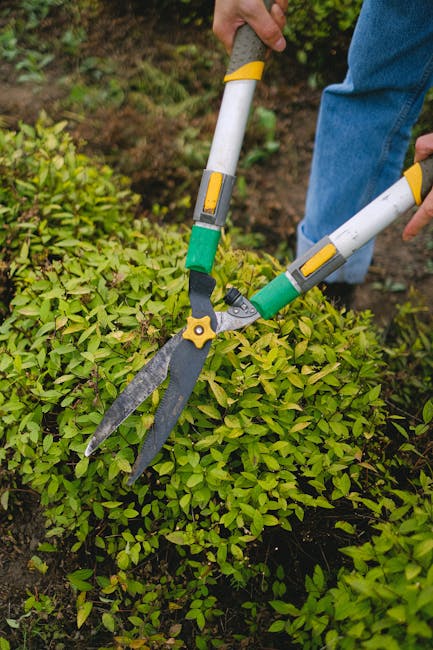
Penge East garden maintenance tips for Victorian terrace yards
Victorian terrace yards can look charming on a good day and a bit unforgiving on a wet one. If you live in Penge East, you'll know the pattern: narrow borders, patchy shade, awkward access, and not much room for error. That's exactly why the right Penge East garden maintenance tips for Victorian terrace yards matter. A small yard can become a lovely, usable space, but only if you work with its quirks instead of fighting them.
This guide covers what makes terrace-yard care different, how to keep things manageable through the seasons, and when it makes sense to get extra help. You'll also find a practical checklist, a comparison table, and a few real-world pointers that can save you time, money, and a lot of damp-knee gardening, which, let's face it, nobody enjoys.
Table of Contents
- Why this matters for Victorian terrace yards
- How terrace-yard maintenance works in practice
- Key benefits and practical advantages
- Who this is for and when it makes sense
- Step-by-step guidance
- Expert tips for better results
- Common mistakes to avoid
- Tools, resources and recommendations
- Law, compliance, standards and best practice
- Options, methods and comparison table
- Case study / real-world example
- Practical checklist
- Conclusion
- Frequently asked questions
Why Penge East garden maintenance tips for Victorian terrace yards Matters
Victorian terrace yards are usually compact, enclosed, and slightly awkward in all the familiar ways. The walls hold warmth in summer, but they can also trap moisture in winter. Drainage may be limited. Light can be patchy, especially if neighbouring trees or taller buildings block the sun. And because the space is small, every issue feels bigger than it would in a larger garden.
That's why a reactive approach rarely works for long. If you leave a tiny yard alone for a few months, weeds seed themselves into joints, moss takes hold on paving, shrubs start leaning into walkways, and the whole area can start to feel cramped. A sensible maintenance routine keeps the garden safe, tidy, and pleasant enough to use on a Tuesday evening when you just want a cup of tea and five minutes of fresh air.
There's also a visual point here. Victorian terraces often look best when the yard feels balanced with the architecture rather than overfilled. A neat boundary, controlled planting, and clean hard landscaping can make the whole property feel more cared for. Not flashy. Just right.
How Penge East garden maintenance tips for Victorian terrace yards Works
Think of terrace-yard maintenance as a series of small habits rather than one big job. In practice, it usually comes down to four things: keeping growth under control, managing water, protecting surfaces, and making the space easy to access.
First, you assess what the yard actually does day to day. Is it mainly a walkway? A sitting area? A planting space? A storage spot for bins and tools? The answer changes the maintenance approach. A yard with paving and a few pots needs very different care from one with lawn strips, climbers, and raised beds.
Second, you work with the site conditions. A north-facing yard in Penge East may be cool and damp much of the year, while a sunnier south-facing one may dry out fast in summer. The maintenance plan should reflect that. In our experience, the biggest improvements usually come from simple, consistent adjustments rather than dramatic changes.
Third, you decide what to do yourself and what to outsource. Some tasks, like light pruning or sweeping, are straightforward. Others, such as heavy clearance, hedge reduction, or tree work, can be better handled professionally. If you need a broader maintenance arrangement, the garden maintenance service page gives a good starting point for what ongoing care can cover.
Key Benefits and Practical Advantages
Good maintenance is not just about making the yard look tidy for visitors. It does much more than that, especially in a compact Victorian setting.
- It improves usability. A clear, well-kept yard is easier to walk through, sit in, and actually enjoy.
- It helps prevent damage. Moss, blocked gullies, and overgrown roots can all cause problems if ignored.
- It supports healthier planting. Plants do better when they are not overcrowded or fighting for light and water.
- It reduces weekly stress. Small, regular tasks are less exhausting than occasional rescue jobs.
- It can lift kerb appeal. Even from the back, a smart terrace yard adds to how the property feels overall.
There's a practical cost angle too. Regular upkeep often means fewer big interventions later. A yard that gets swept, pruned, and checked every few weeks usually needs less dramatic work than one that turns into a jungle with a path through it. That sounds obvious, but people still get caught out. Truth be told, most garden crises start quietly.
Who This Is For and When It Makes Sense
This advice suits homeowners, landlords, and tenants with small rear yards or front garden spaces behind Victorian terraces. It's especially useful if your outdoor area has old paving, narrow borders, awkward corners, or heavy shade. If your yard feels too small to matter, that's often a sign it needs more thoughtful maintenance, not less.
It also makes sense when your garden is showing one or more of these signs:
- Weeds keep returning through paving or wall edges.
- Water pools after rain.
- Plants are becoming leggy, tangled, or top-heavy.
- The yard feels cluttered rather than calm.
- Maintenance has become a weekend chore you keep putting off.
If your space is structurally sound but simply overgrown, a clearing session may help before you settle into routine upkeep. In that case, garden clearance can be a useful reset before regular maintenance begins. And if hedges, climbers, or boundary growth are the issue, hedge trimming may be the better fix.
Step-by-Step Guidance
Here's a practical way to maintain a Victorian terrace yard without overcomplicating it.
- Clear the surface first. Remove leaves, litter, and loose debris. You can't judge what needs attention if the space is buried under yesterday's mess.
- Inspect paving, walls, and drainage. Look for loose slabs, blocked channels, damp staining, and places where water tends to sit.
- Cut back excess growth. Trim shrubs, climbers, and any self-seeded plants that are taking over. Keep sightlines open so the yard feels bigger than it is.
- Weed by the roots where possible. Pulling the top off a weed is only a temporary victory. Persistent weeds in joints need proper removal.
- Reassess planting positions. Put sun-loving plants where they get the light and shade-tolerant plants where they won't fry. Sounds basic, but it makes a huge difference.
- Refresh mulch or soil surface if needed. A neat top layer helps moisture retention and keeps borders looking intentional.
- Wash or sweep hard landscaping. Paved yards, steps, and edges benefit from regular cleaning to reduce slipping and staining.
- Set a repeating schedule. A little every week beats a lot every six months.
If the yard includes a lawn strip, mowing becomes part of the routine. For compact plots, a clean, consistent cut often matters more than chasing perfect stripes. If you want a dedicated service route for that, lawn mowing is worth reviewing alongside seasonal maintenance.
Expert Tips for Better Results
Small yards reward discipline. They also punish clutter. Here are the habits that make the biggest difference.
1. Keep a strict line between planting and circulation space
In a Victorian terrace yard, every inch counts. Make sure paths and access zones stay clear. If a pot or shrub forces people to sidestep, it is probably in the wrong place.
2. Use vertical structure carefully
Climbers, wall-mounted planting, and trellises can add height without eating floor space. The trick is restraint. Too many vertical elements and the yard starts to feel busy, which is not the same as lush.
3. Choose plants that forgive a little neglect
Not everyone wants to fuss daily. Pick tough, reasonably reliable plants that cope with shade, wind tunnels, and the odd missed watering. That way the yard still looks alive in a busy week.
4. Prioritise drainage fixes before decorative upgrades
If water pools near the house, deal with that first. A pretty border is lovely, but damp paving and poor runoff are not the kind of surprise you want in a terrace setting.
5. Don't let the back wall become a storage zone
It happens quickly. One chair, then a broken planter, then two bags of compost, then a bicycle. Suddenly the yard is a cupboard outdoors. If that sounds familiar, you're not alone.
Expert summary: In small Victorian terrace yards, the best maintenance plans are simple, repeatable, and honest about the site. Control growth, protect surfaces, and keep the layout breathing.
For yards that need a stronger design reset, landscape gardening and landscaping can help rework the space so maintenance becomes easier rather than harder.
Common Mistakes to Avoid
Most terrace-yard problems come from a few repeated mistakes. Some are small. Some are annoyingly expensive later on.
- Ignoring drainage. A lovely yard that stays soggy is still a problem.
- Overplanting. Too many plants in too little space means poor airflow, more disease risk, and a cramped feel.
- Using aggressive cleaning on old surfaces. Victorian paving and brickwork can be more fragile than they look.
- Letting climbers into gutters, fences, or wall cracks. They look charming until they don't.
- Putting off clearance work. The longer you wait, the more likely you are to need a much bigger intervention.
- Forgetting seasonal timing. Some pruning and tidy-up jobs are best done at specific times, not whenever the mood strikes.
One common trap is trying to solve everything with more plants. That rarely works in a narrow yard. Sometimes the answer is less, not more. A slightly calmer layout can make the garden feel twice as large.
Tools, Resources and Recommendations
You do not need a huge kit to manage a terrace yard well. In fact, too many tools become clutter, and clutter is the enemy here.
| Task | Useful tool or approach | Why it helps |
|---|---|---|
| Sweeping leaves and grit | Stiff broom, dustpan, small rake | Keeps paving safe and tidy without overworking surfaces |
| Light pruning | Hand pruners, secateurs | Gives cleaner cuts for smaller stems and shrubs |
| Boundary growth control | Hedge trimmer or professional trimming | Helps keep hedges and shrubs under control in tight spaces |
| Clogged or messy yards | Clear bags, waste sacks, sorting containers | Makes clearing faster and avoids that pile-up feeling |
| Stubborn overgrowth | Professional clearance support | Useful when the job is too much for a weekend |
For larger tidy-ups, you may want to combine maintenance with garden clearance so the space starts from a clean base. If the garden includes a decked section, routine upkeep should also include checking for slippery build-up and loose fixings. In that case, decking services may be relevant when repairs or upgrades are needed.
And if you are comparing service options, the services overview page is a useful way to understand how different garden tasks fit together. Not everything needs a separate solution, which is nice, because no one wants a dozen mini projects dangling over them.
Law, Compliance, Standards and Best Practice
For most domestic terrace yards, maintenance is straightforward, but there are still sensible standards to keep in mind. If you are pruning near shared boundaries, always consider neighbour relations and the condition of fences, walls, and overhanging growth. If a tree is large, near a boundary, or potentially unstable, it is better to have it assessed properly rather than guessing. Tree work is one of those jobs that looks simple right up until it isn't.
If you employ someone to carry out the work, good practice is to check that they use safe methods, have appropriate insurance, and are clear about the scope of the job. For a local service business, that sort of transparency matters. You can see related commitments in pages such as health and safety policy and insurance and safety.
Waste handling also deserves attention. Green waste, soil, and old materials should be sorted and removed in line with responsible disposal practices. A tidy yard is good; a responsibly cleared yard is better. If sustainability matters to you, the company's recycling and sustainability page is worth a look.
Finally, if you are arranging services, pricing clarity and scope matter. Make sure you understand what is included, what might cost extra, and when access is needed. That is just good sense, and it avoids awkward surprises.
Options, Methods, or Comparison Table
Different terrace yards need different approaches. Here's a simple comparison to help you decide what fits.
| Approach | Best for | Pros | Trade-offs |
|---|---|---|---|
| DIY weekly upkeep | Small, manageable yards | Low cost, flexible, easy to stay on top of | Needs discipline and basic tools |
| Seasonal deep tidy plus DIY maintenance | Yards that get messy quickly | Good reset, then easier to maintain | Can still feel demanding at peak times |
| Regular professional maintenance | Busy owners, landlords, heavier growth | Consistent results, less stress, better finish | Ongoing expense |
| Clearance followed by maintenance plan | Overgrown or neglected yards | Best for turning a problem space into a usable one | Initial work may be substantial |
If your yard has become difficult to manage, a combination approach is often the sweet spot. A one-off reset followed by lighter regular care tends to work better than trying to "catch up" forever. It's a bit like fixing a leak rather than mopping the floor every day. Less drama, more sense.
Case Study or Real-World Example
A typical Penge East terrace yard might be paved with a small border along one side, a couple of wall planters, and a narrow access path to the back gate. After a season of wet weather, the joints fill with moss, the border gets crowded, and the yard starts to feel shorter and darker than it is.
In a real-world tidy-up, the first step would be a full surface clear, followed by weeding, pruning, and a check on drainage points. Overgrown climbers would be cut back so they no longer pull moisture against the wall. The border would be thinned out a little, leaving enough planting for softness but not so much that it blocks movement. If there were a tired lawn edge or a broken patch of hard landscaping, that would be reviewed separately rather than patched blindly.
What changes most in these cases is not just appearance. The space becomes easier to use in everyday life. The bins are easier to move, the paving feels safer after rain, and the garden stops asking for an all-day rescue every month. A small yard, handled well, can feel surprisingly generous.
Practical Checklist
Use this checklist as a quick yard reset before you settle into routine maintenance.
- Clear leaves, litter, and loose debris.
- Check paving, steps, and joints for moss or trip points.
- Inspect drainage and any standing water after rain.
- Trim back shrubs, climbers, and boundary growth.
- Remove weeds from borders and paving joints.
- Deadhead tired flowers and remove damaged growth.
- Check pots for cracked bases, dry soil, or crowding.
- Reposition anything that blocks access or makes the yard feel cramped.
- Review whether any larger task needs professional help.
- Set a repeat calendar reminder for the next tidy-up.
That last one matters more than people think. Small spaces stay tidy because someone keeps noticing them. Not obsessively. Just enough.
Get a free quote today and see how much you can save.
Conclusion
Victorian terrace yards in Penge East do not need perfect conditions to look good. They need consistent attention, sensible plant choices, and maintenance that respects the limits of the space. Once you stop trying to make the yard something it is not, the whole job becomes easier. A compact garden can be elegant, practical, and genuinely relaxing. It just takes a bit of rhythm.
If your yard is slipping into the "I'll deal with it next weekend" category, that is usually the moment to act. Start with the basics, clear the clutter, and decide whether you want a light touch or a more structured maintenance plan. Either way, the goal is simple: a small outdoor space that feels calm, not constant. And that is a very good thing.
Frequently Asked Questions
How often should a Victorian terrace yard be maintained?
For most small yards, a light weekly tidy and a deeper check every few weeks works well. During spring and summer, growth can accelerate quickly, so the yard may need more frequent attention. The trick is consistency rather than big heroic sessions.
What are the biggest maintenance issues in Penge East terrace gardens?
The common ones are poor drainage, moss on paving, overgrown climbers, limited sunlight, and cluttered layouts. Narrow spaces make these issues feel more obvious, so they need early attention.
Can I keep a lawn in a tiny Victorian yard?
Yes, but it depends on light, drainage, and how much foot traffic the space gets. In many terrace yards, a small lawn strip can work, though hard landscaping or planted areas are sometimes easier to maintain long term.
Do I need professional help for garden maintenance?
Not always. If your yard is small and manageable, DIY maintenance may be enough. But if growth is heavy, access is awkward, or the space has become overgrown, professional support can save time and reduce the risk of damaging older surfaces or boundaries.
What is the best way to stop weeds coming back?
Remove them fully from roots where possible, keep paving joints clear, and stay on top of surface cleaning. A tidy routine helps more than occasional spot treatment. Weeds are persistent little things, annoyingly so.
How do I make a small terrace yard look bigger?
Keep walkways clear, avoid overcrowding, use vertical planting sparingly, and choose a simple layout. A yard feels larger when it has visual breathing space and a clear purpose.
Is winter maintenance different from summer maintenance?
Yes. Winter is usually more about clearing debris, checking drainage, and protecting surfaces from moss and excess moisture. Summer shifts toward watering, trimming, and keeping plants from becoming too dominant.
What should I do after a garden clearance?
Once the yard is cleared, assess what needs to stay, what needs cutting back, and what layout changes would make future upkeep easier. A clearance is most useful when it leads into a simpler routine, not just a one-time tidy.
Are old Victorian paving slabs hard to care for?
They can be, mainly because age makes them more sensitive to aggressive cleaning and movement. Gentle maintenance usually works better than heavy-handed methods. If slabs are loose or badly stained, it may be worth getting them assessed before pushing too hard.
How do I know whether my hedge or climber needs trimming?
If it blocks light, squeezes access, or starts pushing into walls and fences, it probably needs attention. For boundary growth that feels out of control, a dedicated trim is often the simplest fix.
What if my yard keeps flooding after heavy rain?
That usually points to drainage or surface issues, not just a maintenance problem. Keep the area clear, but also look at whether water is collecting because of blocked channels, sinking paving, or poor runoff. If it keeps happening, it is worth addressing properly rather than living with it.
Where can I compare garden service options?
A sensible place to start is the services overview page, especially if you are weighing maintenance against clearance, mowing, trimming, or landscaping work. It helps you see how the pieces fit together before you decide what to book.