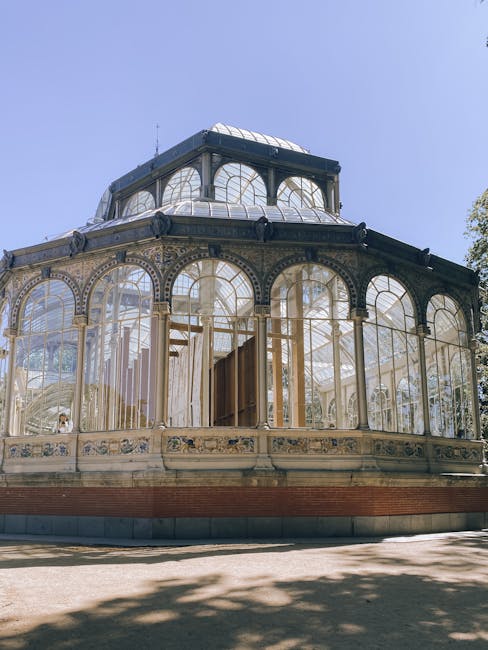
Local gardeners case study Crystal Palace Park view garden
If you are searching for a Local gardeners case study Crystal Palace Park view garden, you are probably not just looking for inspiration. You want to know what actually happens when a garden near Crystal Palace Park needs proper attention: what gets changed, what it costs in effort, what problems show up along the way, and whether the result feels worth it in real life.
That is exactly what this guide is for. It breaks down the kind of work local gardeners typically carry out on a view-led garden near Crystal Palace Park, where sightlines matter, space can feel exposed, and the garden has to look good from inside the home as well as from outside. We will cover the process, the practical decisions, common mistakes, and the standards that matter when you want a result that is neat, durable, and honest to the setting. No fluff. Just the useful stuff.
Table of Contents
- Why this Crystal Palace Park view garden case study matters
- How the garden improvement process works
- Key benefits and practical advantages
- Who this is for and when it makes sense
- Step-by-step guidance
- Expert tips for better results
- Common mistakes to avoid
- Tools, resources and recommendations
- Law, compliance, standards, or best practice
- Options, methods, or comparison table
- Case study or real-world example
- Practical checklist
- Conclusion
- Frequently Asked Questions
Why Local gardeners case study Crystal Palace Park view garden Matters
A garden with a park view is a gift, but it can also be a little tricky. Let's face it, if your garden overlooks open green space, the backdrop is already strong. That means every messy edge, overgrown hedge, tired lawn patch, or awkward line of paving stands out more than it would in a tucked-away courtyard.
That is why a local case study matters. It shows how experienced gardeners think about the garden as a whole, not just the plants. In a Crystal Palace Park view setting, the work often needs to balance three things: keeping the view open, making the space feel private enough to relax in, and ensuring the layout feels coherent from the house. A neat garden can make a surprising difference to how a room feels on a grey Tuesday morning. A scruffy one, equally, can drag the mood down.
There is also a local context to consider. Gardens in this part of South London often deal with mixed soil conditions, slopes, wind exposure, and mature boundaries. Some have strong mature planting but weak structure. Others are all hard edges and no softness. The best local gardeners know how to read that balance quickly and respond without overcomplicating things.
One small but important point: a good garden case study is not about perfection. It is about fit. What works for a modern terrace with a park-facing rear aspect may not suit a family garden that needs play space, pets, and low-maintenance upkeep. That sounds obvious, but people do miss it. Often.
If you are comparing providers, it helps to look at the wider service picture too. A well-rounded team may cover the full range of garden services, from routine maintenance to larger landscape changes. That makes planning easier because you are not trying to juggle five different contractors who all have slightly different ideas about the same patch of soil.
How Local gardeners case study Crystal Palace Park view garden Works
In practical terms, this kind of garden project usually starts with observation. A gardener looks at what the space is doing now, not what the owner wishes it did. That includes light, shade, drainage, access, levels, visibility from the house, and how the garden feels at different times of day. In a park view setting, the afternoon light can be beautiful, but it can also expose uneven finishes, patchy turf, or sloppy pruning. A bit unforgiving, really.
The next stage is usually to separate the garden into zones. For example, the view zone, the sitting zone, the circulation zone, and the maintenance zone. Even a modest garden benefits from this thinking. If the lawn is there to frame the view, then mowing lines, edging, and the shape of the boundary matter. If a planting bed is there to soften the boundary, then plant height and seasonality matter more than a full, dense look from day one.
Then comes the choice of work types. Some gardens just need maintenance and tidying. Others need clearance first, so the structure can be seen clearly. That might mean working through brambles, self-seeded saplings, or accumulated debris before any improvement is possible. In those cases, a thorough garden clearance service is often the sensible starting point rather than a cosmetic quick fix.
Where planting structure is weak, local gardeners may recommend selective landscaping, boundary shaping, or lawn refinement. If the garden has hard surfaces, they may also consider seating or stepping areas, perhaps even a modest deck. That is the sort of detail that turns a garden from "fine" into "pleasant to use". Not dramatic. Just better.
The real value of the process is sequencing. Good gardeners do the right tasks in the right order. Clear first, define the structure, then refine the details, then keep it tidy. Simple idea, but it saves time and avoids rework.
Key Benefits and Practical Advantages
A Crystal Palace Park view garden can become one of the best rooms in the house if it is handled properly. Here are the practical advantages that matter most.
- Better use of the view: Clean lines, balanced planting, and controlled height help the eye travel to the park rather than getting stuck on clutter.
- Lower stress day to day: A maintained garden is easier to live with. You stop noticing the same little annoyances every time you look out the kitchen window.
- Stronger first impression: If the rear aspect opens onto the park, guests often notice the garden more than the front of the property. That is just how people are.
- Improved privacy without feeling boxed in: The trick is not to block everything. It is to layer boundaries carefully.
- Better year-round structure: Even in winter, a good garden still looks intentional if the hard edges, shrubs, and levels are tidy.
- More manageable upkeep: Smart planting and realistic lawn areas reduce the weekly workload.
There is also a value point that people do not talk about enough. A garden that is easier to maintain is easier to keep nice. That sounds almost too simple, but it is true. If the planting choice is sensible and the layout is practical, you are much more likely to stay on top of it. And staying on top of it is half the battle.
For many homeowners, the best results come from combining regular upkeep with selective improvement. Services such as garden maintenance and lawn mowing are often the backbone of a good-looking garden because they stop small issues becoming weekend-eating problems.
Who This Is For and When It Makes Sense
This kind of work is a good fit for several types of homeowners and property managers.
- People with a park-facing rear garden who want the outside space to feel as considered as the view itself.
- Busy households that want a garden to look neat without constant attention.
- Buyers or sellers trying to improve the feel of the property before viewings or photography.
- Landlords and managing agents who need a reliable standard rather than an overly decorative finish.
- Owners of mature gardens where hedges, trees, or old planting have started to dominate the space.
It makes the most sense when the garden has obvious potential but poor finish. If the structure is there but the detail is tired, local gardeners can often transform the space without a full redesign. If the entire plot is badly arranged or the ground conditions are a mess, a more serious landscaping plan may be needed. That is where landscaping support or landscape gardening comes into play.
Truth be told, some people wait too long. They keep hoping the hedge will somehow sort itself out, or the lawn will recover after winter, or the side return will magically look less tired. It rarely does. A focused intervention early on is usually cheaper and calmer than a long delay followed by a bigger repair job.
Step-by-Step Guidance
If you are planning a garden improvement around a Crystal Palace Park view, here is a simple and realistic way to approach it.
- Assess the space honestly. Stand inside the house and outside in the garden. Look at the view, the boundaries, the access routes, and the parts that always look untidy.
- Decide what must stay. Some mature trees, shrubs, or screening planting are worth keeping. Don't rush to strip everything back just because it looks busy.
- Remove the obvious problems. This may include waste, dead growth, invasive weeds, broken edging, or overloaded corners.
- Define the structure. A garden usually needs a clear framework: lawn, beds, path, seating zone, and boundary treatment.
- Sort the edges. Clean edging is one of the quickest ways to make a garden look cared for. It sounds minor, but it really matters.
- Prune with a purpose. Cutting back should improve shape and light, not just reduce volume.
- Choose low-regret planting. Pick plants that suit the site rather than fighting the site. Windy, bright, and exposed spaces need different planting decisions than sheltered ones.
- Plan maintenance from day one. If a design looks lovely but will take too much upkeep, it probably will not last long in the real world.
Where overgrowth is getting in the way, a local team may need to begin with hedge work or tree reduction. A service like hedge trimming can instantly improve light and visibility, while tree lopping and removal may be necessary where safety, shading, or crowding has become an issue.
And if the garden has a hard surface that is tired, slippery, or simply not helping the layout, a modest addition through decking services can create a usable seating area without needing a full rebuild. Not every garden needs one, of course. But in the right setting, it just works.
Expert Tips for Better Results
Here are the small details that often separate a decent result from a really good one.
- Protect the view, don't overframe it. If you cut everything back too much, the garden can feel bare and exposed. Keep some layered softness.
- Use repetition wisely. Repeating one or two plant forms helps the garden feel calm. Too many different shapes can get messy fast.
- Think about winter, not just summer. A garden that looks great only in June is a bit of a trap.
- Keep lines straight where they need to be straight. Paths, lawns, and edging should look intentional from inside the house.
- Choose maintenance levels honestly. If you do not enjoy gardening, design for light upkeep. There is no prize for unnecessary labour.
One of the most useful habits is to work from the biggest visual problem down to the smallest. You might be tempted to start with decorative planting, but if the hedge is swallowing the light and the lawn is uneven, that is where the improvement should begin. Simple, really.
Another tip: ask for a plan that includes aftercare. A newly improved garden can go backwards quickly if nobody knows what happens next. Even the best layout needs a few weeks of observation once the work is done.
Common Mistakes to Avoid
These are the ones we see most often.
- Cutting back too aggressively. It can strip the garden of structure and privacy.
- Using the wrong plant scale. Small plants in a large boundary often disappear. Oversized shrubs in tight spaces can quickly feel bulky.
- Ignoring drainage or shade patterns. If the lawn always stays wet in one corner, there is usually a reason.
- Making the garden all lawn or all paving. Balanced surfaces usually age better and feel more inviting.
- Designing for the brochure, not for daily life. Pretty is nice. Practical is nicer.
- Skipping maintenance after the initial tidy-up. This is a classic one. A garden can look brilliant for two weeks and then slide back if no upkeep is arranged.
There is also a quiet but important mistake: not thinking about the view from inside. In a park-facing property, that indoor-outdoor connection is a huge part of the experience. The first thing you see in the morning matters more than people admit.
Tools, Resources and Recommendations
Good results depend on more than enthusiasm. You need the right tools, the right sequence, and a sensible brief.
| Need | Useful approach | Why it helps |
|---|---|---|
| Overgrown boundaries | Structured hedge cutting and selective pruning | Improves light, shape, and privacy balance |
| Untidy or neglected space | Initial clearance before any design work | Lets the real structure of the garden be seen |
| Routine upkeep | Scheduled mowing and seasonal maintenance | Keeps the result presentable and easier to manage |
| Need for a refreshed layout | Landscaping or landscape gardening | Helps turn a tired space into a usable one |
| Hard landscaping problem | Decking or redefined seating areas | Creates functional space for everyday use |
If you are checking a company before you commit, it is sensible to look beyond the garden work itself. Trust matters. You want clear pricing, sensible communication, and confidence that the team works safely. Pages like pricing and quotes, insurance and safety, and about us can tell you a lot about how a business operates before anyone sets foot in the garden.
If sustainability matters to you, it is also worth checking whether the team has a practical approach to green waste and reuse. A sensible recycling and sustainability policy is a good sign, especially on larger jobs where cuttings, soil, and debris can add up quickly.
Law, Compliance, Standards, or Best Practice
For most residential garden work in the UK, the main concerns are practical rather than legal drama. Still, good professionals work carefully and within normal industry expectations. That means handling tools safely, managing waste properly, avoiding unnecessary damage to neighbouring properties, and checking whether any trees or boundary features need extra caution before work starts.
It is also sensible to remember that some tasks may require more care than others. Tree work, larger removals, and work near shared boundaries can involve extra risk. A trustworthy gardener will usually explain limitations clearly rather than promising the impossible. That kind of honesty is underrated.
From a best-practice point of view, a solid gardening job should include:
- clear scope before work begins;
- practical sequencing so the garden is improved in the right order;
- care around roots, nesting areas, surfaces, fences, and drainage;
- safe disposal or recycling of waste where appropriate;
- transparent communication if conditions on site change;
- reasonable aftercare advice.
For the homeowner, the best safeguard is simple: ask questions, expect clear answers, and do not be shy about clarifying what is included. If a contractor is vague about the work, that vagueness usually grows later. Not ideal.
Options, Methods, or Comparison Table
Depending on the garden's condition, there are a few different routes you can take. Choosing the right one saves time and money, and it prevents you from overbuying work you do not actually need.
| Approach | Best for | Pros | Limitations |
|---|---|---|---|
| Maintenance-only | Gardens already in decent shape | Fast, cost-aware, keeps standards steady | Won't solve structural problems |
| Clearance then maintenance | Neglected or overgrown gardens | Creates a clean starting point | May still need further design work later |
| Light landscaping refresh | Tired but basically functional gardens | Improves layout without a full rebuild | Can require phased investment |
| Full landscape overhaul | Poorly arranged or outdated spaces | Most transformative | Longest lead time and higher commitment |
If your garden mainly needs regular attention, sticking with garden maintenance may be the smartest route. If the space feels fundamentally wrong, a bigger redesign may be justified. The point is to match the solution to the actual problem, not the one you wish you had.
Case Study or Real-World Example
Here is a realistic example based on the kind of local project this search usually describes.
A rear garden near Crystal Palace Park has a strong view but feels cluttered from the house. The hedge line is uneven, a couple of shrubs have grown too wide, the lawn edges have blurred, and a seating area exists in theory more than practice. The owner wants the space to feel calmer without losing the green outlook that makes the property special.
The gardeners begin by clearing dead material and cutting back the most dominant growth. They then reshape the boundary planting so the view opens up without leaving the garden exposed. After that, they tidy the lawn, define the edges, and create one simple seating area that feels deliberate rather than squeezed in. Small changes, yes, but together they change the whole mood of the space.
By the end, the garden still feels like itself. That matters. It has not been turned into something generic or overdesigned. It just works better. You can stand at the back door and see the view properly now. You can also tell where to sit, where to walk, and what needs very little effort to keep in shape. That last part is often the clincher.
A useful lesson from this kind of example is that the best local gardeners do not fight the garden's setting. They work with it. In a park-view property, that usually means keeping the composition light, clean, and practical rather than crowded with ornament.
Practical Checklist
Use this before you book work or start planning a refresh.
- Have you identified the main goal: tidying, improving privacy, opening the view, or redesigning the layout?
- Can you see which plants, surfaces, or features are helping the garden?
- Can you see which parts are making the space feel heavy or neglected?
- Do you know whether the job needs clearance, maintenance, landscaping, or a mix?
- Have you thought about how much maintenance you are realistically willing to do?
- Will the garden still feel good in winter, not just in peak season?
- Do you need a safer boundary, better light, or a cleaner seating area?
- Have you checked pricing, safety, and aftercare expectations?
- Do you want a one-off improvement or an ongoing maintenance plan?
- Have you decided what "good" actually looks like for your space?
Expert summary: the best Crystal Palace Park view gardens are not the most dramatic ones. They are the ones that make the view feel intentional, the layout feel calm, and the upkeep feel realistic. That is the sweet spot.
Conclusion
A strong Local gardeners case study Crystal Palace Park view garden is really about intelligent priorities. Protect the view. Create useful structure. Reduce unnecessary maintenance. Keep the garden feeling like a natural extension of the home rather than a separate project that never quite settles.
For many homeowners, the biggest win is not a dramatic transformation. It is the quiet relief of looking out and thinking, yes, that feels better. Cleaner. Calmer. More usable. And, to be fair, that is often what people want most.
If you are at the point of comparing options, speak to a local team that can explain the work clearly, recommend the right level of intervention, and keep the whole thing practical from the start. A good garden project should leave you with more time to enjoy the space, not more things to worry about.
Get a free quote today and see how much you can save.
Sometimes the best gardens are the ones that quietly make everyday life feel a bit easier. That is no small thing.
Frequently Asked Questions
What does a local gardeners case study for a Crystal Palace Park view garden actually show?
It shows how a real garden near the park can be improved in a practical way, including the decisions behind clearance, maintenance, layout, and boundary management. The value is in seeing how the work is approached, not just the end result.
Why is a park view garden different from a standard suburban garden?
Because the view becomes part of the design. You are not only managing planting and surfaces; you are also deciding how much to frame, soften, or open up the outlook. That changes the whole brief.
Do I need landscaping or just maintenance?
If the garden is basically in good shape and just needs tidying, maintenance may be enough. If the space feels poorly arranged, tired, or hard to use, landscaping or a lighter redesign may be more sensible.
How do local gardeners decide where to start?
They normally start with what is causing the biggest visual or practical problem. Often that means clearance, hedge work, or lawn recovery before any decorative work is considered. It is a common-sense order.
Can a small garden still benefit from this kind of approach?
Yes, absolutely. Smaller gardens can benefit even more because every line and boundary is more visible. A clean layout and sensible planting make a small space feel much calmer.
What are the main warning signs that my garden needs a proper refresh?
Common signs include overgrown edges, blocked views, patchy lawn, tangled shrubs, poor seating space, or a layout that feels awkward to use. If you keep noticing the same problems every time you look outside, that is usually the clue.
How often should garden maintenance happen?
It depends on the garden, the season, and how much growth there is. Some gardens need regular weekly or fortnightly attention, while others only need periodic visits. A local gardener should be able to suggest a realistic rhythm.
Is hedge trimming important in a view garden?
Very much so. Hedges can either frame the view beautifully or swallow it entirely. Managed well, they add structure and privacy without making the space feel closed in.
What should I ask before booking a gardener?
Ask what is included, how the work will be phased, how waste will be handled, whether any safety issues apply, and what kind of aftercare is recommended. Clear answers are a good sign.
Are tree works always necessary in these gardens?
No, not always. But if a tree is casting too much shade, crowding a boundary, or affecting safety and access, selective pruning or removal may be part of the solution. That should be assessed carefully.
Can decking work in a garden like this?
It can, if there is a good reason for it. A small deck or seating platform can create a better useable area, especially where the ground is uneven or where you want a defined place to sit and enjoy the view.
What is the most common mistake homeowners make?
They often wait too long and then try to fix everything at once. A phased approach is usually better. First make the garden tidy and functional, then improve the structure, then think about refinements.
If you want to understand how a team works, what values they hold, or how they handle customer care, you can also review the business information available on the site, including complaints procedure and contact us for practical next steps.