How much do gardeners cost in Penge 2026 pricing guide
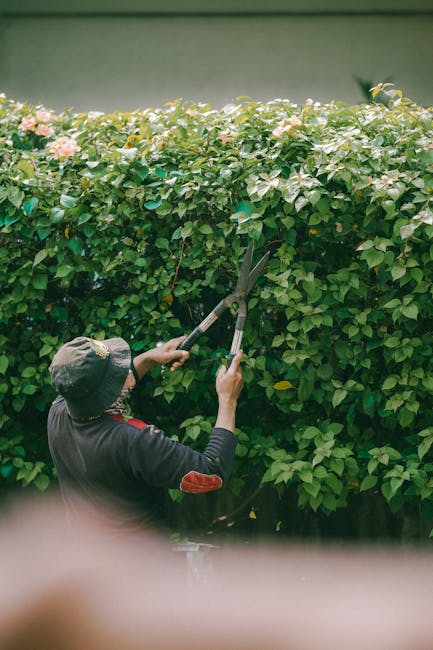
If you have been wondering how much gardeners cost in Penge in 2026, you are not alone. A lot of homeowners start with a simple question - "What should I actually expect to pay?" - and then discover the answer depends on the size of the garden, how often you need help, and whether you want a one-off tidy-up or regular maintenance. Truth be told, that is usually where the real budget planning begins.
This guide breaks down the pricing factors in plain English, explains what affects quotes in a local London setting, and helps you judge whether a price sounds fair before you book. You will also find practical examples, a comparison table, and a checklist you can use before speaking to a gardener. If you want to explore the broader service range first, the services overview is a useful place to start.
Let's make the numbers feel less vague and a lot more usable.
Why How much do gardeners cost in Penge 2026 pricing guide Matters
Garden work can look straightforward from the outside. A few weeds, a trim here, a mow there. But once you compare quotes, the pricing can move around more than people expect. In Penge, where gardens range from compact terraces to larger suburban plots, the cost often reflects access, waste removal, seasonal growth, and the level of finish you want.
Why does this matter? Because a vague quote can leave you overpaying, under-specifying the job, or paying again later when the work turns out to be incomplete. A clear pricing guide helps you ask the right questions before any spade touches the soil. And that saves headaches. It really does.
It also helps you separate genuine value from cheap-looking offers that end up costing more once extras are added. A gardener who explains what is included - labour, green waste handling, tools, travel time, and follow-up visits - is usually giving you a more realistic picture than a headline price alone.
Expert summary: in most cases, the best gardener is not the cheapest one on the day. It is the one whose quote matches the actual work, the access to your garden, and the standard of finish you need.
How How much do gardeners cost in Penge 2026 pricing guide Works
Gardener pricing usually falls into three broad models: hourly rates, fixed prices for a defined job, and regular maintenance packages. Each works differently, and each has a place.
1. Hourly pricing
Hourly pricing is common for general garden tidying, small jobs, or visits where the work scope is a bit uncertain. The gardener charges for the time spent on site, often with a minimum booking period. This can be sensible if you need flexibility, but you should ask how the clock is billed and whether travel time counts.
2. Fixed-price jobs
Fixed pricing suits clear, well-defined tasks such as hedge trimming, lawn mowing, or a garden clearance with a specific waste volume. You get more certainty upfront. The trade-off is that the quote depends on the details being accurate. If the garden is more overgrown than described, the price may need adjusting.
3. Regular maintenance plans
For many households, regular maintenance is the most efficient option. A recurring visit every week, fortnight, or month tends to smooth out the workload, keeping the garden manageable and often reducing the need for bigger seasonal rescue jobs. If you want that sort of ongoing care, a look at garden maintenance can help you understand what a steady service usually involves.
In practice, local pricing is shaped by a handful of factors:
- garden size and layout
- how overgrown or neglected the space is
- the type of work requested
- how easy it is to access the site
- whether waste needs collecting and disposing of
- how much specialist skill or equipment is needed
- frequency of visits
A small front garden with light pruning is a very different job from a rear garden full of brambles, green waste, and broken borders. Obvious enough, but easy to forget when you are looking at a neat quote on screen.
Key Benefits and Practical Advantages
Understanding gardener costs is not just about saving money. It helps you make better decisions overall. You get clearer expectations, less friction when comparing quotes, and fewer surprises once the work begins.
- Better budgeting: you can set a realistic spending range instead of guessing.
- Cleaner comparisons: you can compare quotes like for like, rather than apples and pears.
- More control: you can choose between one-off work and ongoing care based on your actual needs.
- Higher quality outcomes: you are more likely to brief the job properly, which usually improves the result.
- Less waste: regular upkeep often prevents large, expensive clearances later on.
There is also a practical benefit many people miss: once you understand the pricing structure, you can prioritise. Maybe you do not need everything done at once. Maybe the hedge and lawn need attention now, and the rest can wait until next month. That kind of thinking is what keeps budgets sane.
If your garden has become a bit of a project, the right blend of services can matter more than one-off labour alone. For example, a larger reset may involve garden clearance followed by routine upkeep, rather than trying to fix everything in one expensive visit. That approach often feels calmer, and, to be fair, calmer is underrated.
Who This Is For and When It Makes Sense
This pricing guide is for anyone in Penge who wants to hire a gardener without second-guessing the cost. It is especially useful if you are:
- a homeowner comparing one-off tidy-up quotes
- a landlord preparing a property between tenancies
- a tenant wanting to restore an outdoor space before inspection
- a busy family needing regular support to keep the garden under control
- someone dealing with an overgrown or neglected garden after a long break
- a homeowner planning seasonal work such as hedge cutting or lawn care
It also makes sense if you are weighing up whether to book now or wait. Sometimes the right answer is immediate action, especially if weeds, fallen branches, or blocked paths are becoming a nuisance. At other times, you may be better off scheduling work for a more efficient visit when several jobs can be grouped together.
A realistic example: if the lawn is patchy, the hedge is out of hand, and the borders need clearing, a single tidy-up may not be the smartest spend. Splitting the work into staged visits can improve the finish and stop the bill from landing all at once. Not glamorous. But sensible.
Step-by-Step Guidance
If you want a fair quote, the best thing you can do is describe the job clearly. Here is a simple process that works well.
Step 1: Walk the garden before requesting a price
Look at the whole space, not just the obvious problem area. Check lawns, hedges, beds, paths, bins, fences, and access points. You may spot things you forgot to mention - and those details can change the quote quite a bit.
Step 2: Decide whether you need a one-off or regular service
If the garden only needs seasonal help, a one-off visit may be enough. If it grows back fast, regular visits can often deliver better value over time. For ongoing mowing work, for example, lawn mowing services are usually priced differently from a general tidy-up because the job is more predictable.
Step 3: List the jobs in plain language
Instead of saying "garden needs work," say what you want done: lawn cut, weeds removed, hedge trimmed, borders cleared, leaves collected, debris bagged, or waste taken away. Plain language makes for better quotes. It really does.
Step 4: Ask what is included
Does the price include tools? Waste removal? Disposal fees? An extra visit if the job runs longer than planned? These are the details that separate a clean quote from an awkward surprise later.
Step 5: Compare more than one quote carefully
Do not just compare the final total. Compare scope, frequency, waste handling, and expected finish. A lower price may simply mean less is included. Sometimes that is fine. Sometimes it is not.
Step 6: Book with a clear written understanding
Before the appointment, make sure you both understand the work, the price basis, and any follow-up steps. If there is a change in scope on arrival, the gardener should be able to explain why the price shifts.
Expert Tips for Better Results
Here is the kind of advice that saves money without cutting corners.
- Group tasks together: if the gardener is already on site, combining hedge work, edging, and weeding often makes better financial sense than booking separate visits.
- Be honest about the condition: overgrown gardens are fine, but saying "just a bit untidy" when it is actually jungle-adjacent can lead to awkward renegotiation.
- Trim the scope, not the quality: if budget is tight, reduce the number of tasks rather than asking for rushed work across everything.
- Ask about seasonal timing: some jobs are easier and quicker in certain months, which can affect the effort needed.
- Think maintenance, not rescue: a modest recurring spend often beats expensive catch-up work after months of neglect.
Another small but useful tip: take photos before you request a quote. A few clear pictures of the lawn, side access, hedge line, or problem area can help a gardener estimate more accurately. It saves back-and-forth, and the first estimate tends to be better grounded.
If the work is more than routine tidying and starts moving into design, layout, or hard landscaping, you may want to compare regular maintenance against landscaping or landscape gardening options. That is where costs can shift from simple labour into project-style pricing.
Common Mistakes to Avoid
Most pricing mistakes come from unclear assumptions, not bad intentions. A few are especially common.
- Assuming all gardeners price the same way: they do not. Some quote hourly, some by job, some by visit.
- Forgetting waste disposal: green waste can add cost, especially after hedge cutting or clearance work.
- Under-describing access issues: narrow side passages, stairs, and restricted parking can all affect the job.
- Comparing a tidy lawn quote with a full clearance job: these are very different beasts.
- Skipping the follow-up plan: if the garden will grow back quickly, a one-off fix may be poor value in the long run.
Another one, and this catches people out: not asking whether the quote includes all labour for the agreed scope. If a job is bigger than expected, a fair gardener will usually explain the reason. But if the wording was loose to begin with, you can end up in a "he said, she said" situation. Nobody wants that on a damp Tuesday afternoon.
Tools, Resources and Recommendations
You do not need specialist knowledge to request a decent quote, but a few simple tools help enormously.
- Phone camera: take wide photos of the full garden and close-ups of the main problem areas.
- Basic measure: rough lengths of hedge or lawn size help a lot, even if they are approximate.
- Notebook or notes app: write down the tasks you want done, one by one.
- Calendar: decide how often you actually want the garden maintained, not just how often you wish it looked better.
- Budget range: set a realistic spending band before you request quotes.
For service planning, the most useful internal pages are the ones that match the kind of work you need. If your garden needs branches controlled or unsafe growth removed, tree lopping and removal may be relevant. If the main issue is a hedge that has gone wild and is swallowing the path, hedge trimming is the better fit. If you are not yet sure where your job sits, the pricing and quotes page is a sensible next stop for understanding how estimates are usually handled.
A practical recommendation? Ask for the quote to reflect the full job description, not just the "best case" version of it. That sounds obvious, but it saves more bother than you might think.
Law, Compliance, Standards, or Best Practice
For garden work in the UK, the most important point is not a single magic rule. It is that the work should be carried out safely, responsibly, and with clear agreement between the customer and the provider. For tree-related work, waste handling, and any job involving ladders, cutting tools, or lifting heavy material, a professional approach matters a great deal.
In practical terms, good best practice usually means:
- using suitable equipment for the task
- managing waste responsibly
- working safely around paths, steps, and boundaries
- being clear about what is and is not included
- communicating if the scope changes during the visit
If you are comparing providers, it is sensible to look for clear information on safety and handling. The company's insurance and safety information should help reassure you that the work is being approached properly, while health and safety policy details are useful for understanding general working standards. For businesses that value responsible operations, recycling and sustainability information can also tell you how green waste and materials are treated.
None of this needs to be dramatic. It is mostly about common sense, clear process, and not cutting corners. That's the real standard, really.
Options, Methods, or Comparison Table
Here is a simple way to compare the main types of gardening work you are likely to request in Penge.
| Service type | Typical pricing style | Best for | Key cost driver |
|---|---|---|---|
| General garden maintenance | Hourly or recurring visit | Ongoing tidiness and upkeep | Frequency and time on site |
| Lawn mowing | Per visit or fixed rate | Routine grass cutting | Lawn size and condition |
| Hedge trimming | Fixed price or hourly | Boundary and shape control | Height, length, and waste volume |
| Garden clearance | Fixed price often works best | Overgrown or neglected spaces | Amount of waste and labour |
| Tree lopping and removal | Quoted individually | Specialist or higher-risk work | Size, access, and disposal needs |
| Decking or landscaping work | Project quotation | Structural or design-led changes | Materials, design, and labour |
This table does not promise exact prices, because that would be misleading. But it does show why some jobs are easy to quote and others need a proper look first. A patchy little lawn? Usually simple. A steep back garden with an overgrown hedge, broken access, and a pile of green waste? Not so simple.
Case Study or Real-World Example
Here is a realistic example based on the kind of situation many Penge homeowners face.
A small rear garden has not been touched properly for a couple of months. The lawn is long, the edges have disappeared, and the hedge along one side is beginning to lean over the fence. There is also some general debris from broken pots and old cuttings. The owner wants it looking respectable again before visitors arrive next weekend. You know the type. Everyone has had that moment.
A gardener visiting this property would likely price the job by assessing three things: how long the tidy-up will take, how much waste needs removing, and whether the hedge can be trimmed safely in the same visit. If access is good and the garden is compact, the work may be grouped into one efficient session. If the waste is heavy and the hedge needs extra care, the cost rises accordingly.
In a case like this, a smart approach is often to split the job into immediate and ongoing parts:
- first visit: clearance, mow, edge, trim, and remove waste
- follow-up visits: regular maintenance to stop it building up again
That usually gives a better result than trying to "save money" by only half-fixing the issue. Half-finished gardens have a way of looking more tired than before, which is a bit unfair, but true.
Practical Checklist
Use this checklist before you request or accept a quote.
- Do I know whether I need a one-off visit or regular maintenance?
- Have I listed every task clearly?
- Have I included photos or a description of access problems?
- Do I know whether waste removal is included?
- Have I asked how the price is calculated?
- Do I understand what happens if the job takes longer than expected?
- Have I compared at least two quotes on the same basis?
- Do I know if specialist work is needed for hedges, trees, or landscaping?
- Have I set a realistic budget range?
- Do I feel comfortable with the explanation, not just the number?
If you can tick most of these off, you are already ahead of the average customer. And honestly, that makes the whole process much easier.
Conclusion
So, how much do gardeners cost in Penge in 2026? The honest answer is that it depends on the job, but not in an unhelpful way. Once you understand what affects the quote - garden size, access, waste, frequency, and the type of work required - the numbers stop feeling mysterious and start feeling manageable.
For simple jobs, hourly or fixed-price visits may suit you well. For larger or more neglected gardens, a clearer scope and a stronger briefing will usually save time and money. And for ongoing tidiness, regular maintenance tends to be the easiest way to keep costs under control without letting the garden slide backwards.
If you want a clearer idea of what your own garden might cost, take a few photos, write down the tasks, and review the relevant service details before you speak to a gardener. A little prep goes a long way, and it often leads to a better quote too.
Get a free quote today and see how much you can save.
Sometimes the best value is not the lowest number. It is the quote that lets you breathe out, nod, and think: yes, that feels about right.
Frequently Asked Questions
How much do gardeners usually charge in Penge for a simple garden tidy-up?
A simple tidy-up is usually priced based on time, garden size, and what needs clearing. The more straightforward the job, the easier it is to estimate. If the garden is lightly overgrown and access is good, pricing is generally more predictable than with a full clearance.
Is it cheaper to book a gardener regularly or as a one-off?
Regular visits often work out better value if your garden grows quickly or needs ongoing care. One-off jobs can be more expensive per visit because the gardener has to deal with a larger amount of work in one go. Regular maintenance also stops the space slipping too far behind.
What affects gardener prices the most?
Garden size, overgrowth, waste removal, access, and the type of task all play a role. A hedge trim, for example, is usually priced very differently from a full garden clearance. The more specialist or time-heavy the work, the higher the quote tends to be.
Do gardeners charge extra for waste removal?
Often, yes. Green waste handling can be included, added separately, or priced according to volume. It is always worth asking what happens to cuttings, branches, and debris before the work starts. That detail can change the final bill more than people expect.
Should I ask for a fixed price or hourly rate?
Use fixed pricing when the job is clear and easy to describe. Use hourly pricing when the scope is uncertain or the garden needs general help rather than a specific task. Neither is automatically better; it depends on the work and how well you can define it.
How do I know if a quote is fair?
A fair quote should explain what is included, how long the work is likely to take, and whether waste or specialist tasks are part of the price. If the figure is much lower than others, check whether the scope is smaller. If it is much higher, ask what extra value is being included.
Can I get a quote for hedge trimming or lawn mowing separately?
Yes, and that is often the best way to keep costs clear. Some households only need a single service, while others combine several tasks. For example, hedge trimming and lawn mowing can be priced separately or together depending on the visit.
When should I choose garden clearance instead of maintenance?
If the space is heavily overgrown, cluttered, or has not been worked on for a while, garden clearance is usually the better starting point. Maintenance is for keeping a garden in shape, not rescuing a garden that has got a bit away from you. That distinction matters.
Do I need to mention access issues before booking?
Absolutely. Narrow side gates, awkward parking, steps, or long carries for waste can all affect the quote. Sharing those details early helps the gardener price the work properly and avoids awkward surprises on the day.
Are landscaping and gardening maintenance priced the same way?
No. Landscaping is usually project-based and can involve materials, design, and more complex labour. Maintenance is normally lighter, more repeatable work such as mowing, pruning, and general tidying. The pricing models are different because the work itself is different.
What if I only need help once or twice a year?
That is still perfectly normal. Many people book seasonal visits for clearing leaves, trimming hedges, or getting the garden back in shape after winter. A one-off arrangement can work well if the rest of the year your garden stays fairly manageable.
How can I prepare to get a better quote?
Take photos, list the tasks clearly, and think about how often you want the job repeated. If you want a broader sense of services before asking for numbers, the services overview and pricing and quotes pages are a practical starting point.